
Did you know the Fez medina is one of the largest pedestrian-only zones in the world, made up of an astonishing 10,000 streets? When exploring the best places to visit in Morocco, you’ll discover this is just the beginning of what makes this North African gem so captivating.
After countless trips across this diverse country, I’ve learned that Moroccan travel offers something truly extraordinary – from Marrakech, arguably the most popular city to visit in Morocco, to the majestic Atlas Mountains stretching nearly 1,000 kilometers across North Africa. Whether you’re drawn to the Hassan II Mosque in Casablanca, which can accommodate 25,000 worshippers inside and another 80,000 in its courtyards, or the University of al-Qarawiyyin in Fez, recognized as the world’s oldest continuously operating higher educational institution, Morocco’s tourist attractions blend history, culture, and natural beauty unlike anywhere else.
In this comprehensive guide, I’ll share my insider knowledge on the most incredible things to do in Morocco, from navigating the bustling medinas to finding hidden gems that most travelers miss. Let’s embark on planning your perfect Moroccan adventure together!
Start with a Smart Plan

Image Source: kimkim
Planning a successful Morocco trip requires thoughtful preparation, especially considering the country’s diverse climates and transportation options. Before packing your bags for exploring the best places to visit in Morocco, let me share some essential planning tips I’ve gathered through my experiences.
When to visit Morocco for the best experience
The ideal times to visit Morocco are during spring (mid-March to May) or fall (September to October) when temperatures remain warm but pleasant. During these periods, you’ll avoid both the scorching summer heat and the cold winter temperatures that can bring snow to certain regions.
September stands out as an excellent month for travelers seeking good weather with fewer crowds. After the August summer holidays, both domestic and international travelers return to work and school, leaving attractions less crowded.
If you’re planning to explore coastal cities like Essaouira, Rabat, or Casablanca, the timing is more flexible. These regions enjoy pleasantly mild temperatures in winter and hover around the high 70°Fs during summer months. For those interested in hiking the Atlas Mountains, conditions are fine between April and October, though summer can still be quite hot for long-distance treks.
One important consideration: check if your travel dates coincide with Ramadan, as this Islamic festival affects transportation and restaurant availability throughout the country. During this period, most local eateries close during daytime hours, with some shutting down for the entire month.
How to get around: trains, buses, and private drivers
Morocco offers several transportation options for navigating between its magnificent cities:
Trains: The Moroccan rail network is modern and efficient, connecting major cities like Casablanca, Marrakech, Rabat, and Fes. The high-speed Al Boraq train impressively covers the Tangier-Casablanca route in just over 2 hours. For comfort and guaranteed seating, I recommend booking first-class tickets, especially during busy periods.
Buses Both private companies (CTM and Supratours) and public services operate extensively throughout Morocco. Private companies offer more comfort with air-conditioning and scheduled departures, making them preferable for tourists despite being slightly more expensive.
Taxis: Two types serve different purposes – petit taxis for travel within cities (carrying up to three passengers) and grand taxis for intercity journeys. Grand taxis operate on fixed routes and only depart when all seats are filled, but offer an economical alternative to buses.
Private drivers: For flexibility without the stress of driving yourself, hiring a private driver costs approximately USD 42.00 per day. This option proves particularly valuable when exploring remote areas or traveling between cities not connected by train.
Tips for booking accommodations in different cities
For an authentic Morocco travel experience, I strongly recommend staying in a riad – a traditional home built around a central courtyard. These accommodations offer unique architectural beauty and a genuine cultural immersion that standard hotels simply cannot match.
Timing your booking strategically helps secure better rates. Consider these practical tips:
- Book during off-peak seasons (spring or fall) for lower prices and less competition
- Use trusted platforms like Booking.com, Airbnb, or local Moroccan travel agencies
- Read reviews carefully, paying particular attention to comments about cleanliness and service
- Check cancellation policies, particularly important during high seasons
- Contact the property in advance for airport transportation arrangements
The location of your accommodation significantly impacts your experience. In Marrakech, staying within the medina puts you close to major attractions and vibrant souks, while areas like Gueliz offer more modern amenities. Similarly, accommodations in Fez’s ancient medina immerse you in history, whereas coastal cities like Essaouira provide charming seaside lodgings.
Top Cities to Visit in Morocco

Image Source: NLD Travel
“A little imagination goes a long way in Fes.” — Tahir Shah, Author and cultural explorer
Morocco’s cities showcase an extraordinary blend of historical depth and vibrant culture that few countries can match. Each urban center offers a distinct personality waiting to be discovered by adventurous travelers seeking authentic experiences.
Marrakech: The vibrant heart of Morocco
Marrakech immediately transports visitors to another world with its sensory overload of colors, scents, and sounds. The sprawling Medina, packed with souks and dozens of mosques, serves as the pulsating center of this ancient city. At its core, Jemaa el-Fnaa square transforms throughout the day—from a relatively quiet space in morning hours to an electric atmosphere by nightfall, filled with snake charmers, street performers, and food vendors. Beyond the bustling marketplace, Marrakech offers cultural treasures like the Bahia Palace with its impressive mosaics and cedar-wood carvings, and the serene Jardin Majorelle, cultivated over four decades by French painter Jacques Majorelle.
Fez: A walk through ancient history
Considered one of the most extensive and best-preserved historic towns of the Arab-Muslim world, Fez’s unpaved urban spaces retain most of their original functions and attributes. The medina comprises an astounding 9,000 alleys within its ancient walls. Founded in the 9th century, Fez reached its zenith during the 13th-14th centuries under the Marinids, when it replaced Marrakech as Morocco’s capital. The city houses the University of al-Qarawiyyin, established in 857 and recognized as the world’s oldest continuously functioning institute of higher education. Additionally, the iconic Chouara Tannery, dating from the 11th century, offers visitors glimpses into traditional leather-making techniques unchanged for centuries.
Chefchaouen: The blue pearl of the Rif Mountains
Nestled in northern Morocco’s Rif Mountains, Chefchaouen captivates visitors with its buildings painted in varying shades of blue—a tradition dating back to the 1930s when Jewish refugees arrived from Europe. Founded in 1471 as a small fortress to defend against Portuguese invasions, this picturesque town maintains strong Andalusian influences in its architecture. Unlike larger Moroccan cities, Chefchaouen offers a genuinely tranquil atmosphere and authentic experience, making it an ideal breathing space after the intensity of Morocco’s bustling urban centers. In 2018, approximately 120,000 tourists visited this blue-hued gem.
Casablanca: Modern vibes and iconic architecture
As Morocco’s economic capital, Casablanca presents a fascinating architectural landscape blending traditional Moroccan styles with French colonial influences and Art Deco. The city’s crowning glory, Hassan II Mosque, stands as one of the country’s most spectacular structures, partially built over the Atlantic Ocean. Throughout the 20th century, Casablanca evolved as an urban laboratory for avant-garde principles, creating a distinctive cityscape. Other architectural highlights include the Central Market (built 1917), the Wilaya Building designed by Marius Boyer, and the Church of Notre-Dame de Lourdes with its striking elongated concrete structure.
Rabat: Underrated capital with coastal charm
Morocco’s capital since 1912, Rabat offers a perfect blend of city life and coastal relaxation. The city’s crown jewel, Kasbah des Oudayas, sits atop a hill overlooking the Atlantic Ocean, creating spectacular views where the Bou Regreg River meets the sea. Inside the Kasbah, narrow winding streets lead past charming blue-and-white houses reminiscent of Santorini, Greece, but with distinctive Moorish architectural details. Rabat’s Andalusian Gardens provide a peaceful enclave filled with orange trees, trumpet lilies, and bougainvillea. Moreover, the city boasts impressive monuments, including the Hassan Tower, a 12th-century minaret standing atop ruins of an unfinished mosque, and the Mohammed VI Tower, currently Africa’s second-tallest skyscraper.
Hidden Gems Worth Exploring

Image Source: Memphis Tours
Beyond the tourist hotspots, Morocco hides extraordinary destinations that reveal the country’s authentic character. These lesser-known treasures offer unique experiences for travelers seeking to venture off the beaten path.
Ifrane: The Switzerland of Morocco
Nestled in the Middle Atlas Mountains at an elevation of 1,665 meters, Ifrane surprises visitors with its distinctly European appearance. This charming town was established by the French administration in 1928 as a “hill station” where Europeans could escape the summer heat of Morocco’s interior plains. Designed as a garden city with curvy streets named after flowers and chalet-style houses, Ifrane maintains its Alpine aesthetic with red-tiled roofs and public gardens. The town holds the record for the lowest temperature ever recorded in Africa: -23.9°C on February 11, 1935. As home to Al Akhawayn University, Morocco’s only English-language university, Ifrane offers a unique cultural blend amid its clean streets and cedar forests.
Skoura: Palm groves and kasbahs
Founded in the 12th century by Almohad Sultan Yacoub el-Mansour, Skoura Oasis showcases Morocco’s architectural heritage through its collection of historic kasbahs rising from a verdant palm grove. Often called the “Valley of One Thousand Kasbahs,” this fertile oasis features impressive structures like Kasbah Amridil, a 17th-century fortress once owned by the powerful Glaoui family. The ancient irrigation systems known as khettaras continue to sustain the palm groves that create a striking contrast against the surrounding arid landscape.
Zaida: A smoky stop for authentic barbecue
This unassuming roadside town between Midelt and Azrou has earned a reputation as Morocco’s barbecue haven. Restaurants like Alakhawayn and Restaurant Gold Exposition serve mouthwatering grilled meats, including lamb chops, ribs, and kebabs. Travelers journeying between Fez and the Sahara Desert often make Zaida a mandatory culinary stop.
Amtoudi: A remote village with ancient granaries
Located in the rugged Anti-Atlas Mountains, Amtoudi remains largely untouched by tourism. This remote village is renowned for its agadir—ancient communal granaries perched dramatically on cliff edges. These architectural marvels, including Agadir Id Aissa and Agadir Agellouy, dating back nearly a thousand years, once protected valuable resources from raids. The steep 600-meter climb to these historic structures rewards visitors with spectacular panoramic views and insights into traditional Berber ingenuity.
Unforgettable Nature & Desert Adventures

Image Source: Peek
Morocco’s natural landscapes offer extraordinary adventure opportunities that rival its urban attractions. From soaring mountain peaks to golden dunes, these destinations showcase the country’s remarkable geographical diversity.
Camel trekking in Merzouga’s Erg Chebbi dunes
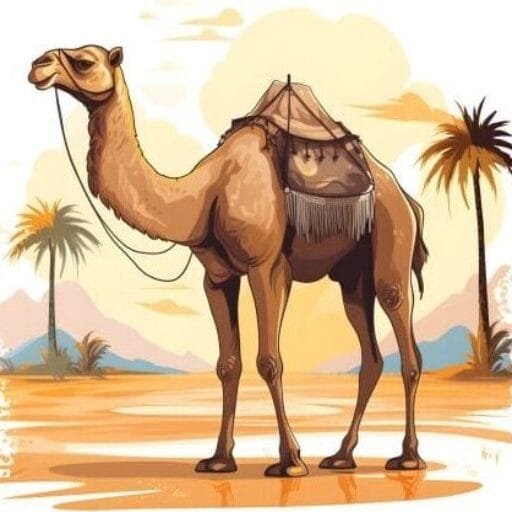
The towering orange-gold dunes of Erg Chebbi near Merzouga rise impressively to heights of 150 meters, creating a true Saharan heartland experience. I recommend booking an overnight camel trek that allows you to witness both sunset and sunrise over this mesmerizing landscape. As darkness falls, the sky transforms into a celestial theater where the Milky Way appears with exceptional clarity due to zero light pollution.
Hiking the High Atlas Mountains
Located merely 40 miles from Marrakech, the High Atlas Mountains feel worlds away from city life. The range stretches over 350 miles across Morocco, with Mount Toubkal standing proud as North Africa’s highest peak at 4,167 meters. Spring (April-June) and autumn (September-November) offer ideal hiking conditions with moderate temperatures. The valleys are populated almost exclusively by Amazigh people, providing cultural encounters alongside natural beauty.
Exploring the Dades and Todra Gorges
These dramatic canyons feature limestone cliffs soaring up to 300 meters high. Todra Gorge has become a premier rock climbing destination with over 150 mapped routes. Meanwhile, the “monkey fingers” rock formations in Dades Valley create otherworldly landscapes perfect for photography enthusiasts.
Stargazing in the Sahara
The Sahara’s dry climate and minimal light pollution create ideal conditions for observing celestial wonders. Constellations, planets, and shooting stars appear with remarkable clarity against the desert’s inky canvas.
Cultural Experiences You Shouldn’t Miss

Image Source: Culture Insider
Immersing yourself in local cultural experiences completes any authentic Morocco travel journey. These enriching activities reveal the country’s soul beyond its breathtaking landscapes and architecture.
Shopping in the souks and medinas
Wandering through Morocco’s labyrinthine marketplaces offers an unforgettable sensory journey. The souk in Marrakech contains over 3,000 shops within its maze-like passages. Here, skilled artisans continue centuries-old crafting traditions—from intricate metalwork to vibrant textiles. Remember that bargaining is customary; starting your offer at about 40% of the initial price typically leads to a fair agreement.
Trying a traditional hammam
This ancient bathing ritual remains a cornerstone of Moroccan life. The process involves relaxing in steam rooms followed by thorough scrubbing with black soap made from olive oil and eucalyptus. For first-time visitors, public hammams charge merely $1-2 for entry, while luxury spa versions offer more elaborate treatments for $20-50.
Tasting Moroccan street food
Moroccan cuisine shines in its street food offerings. Sample freshly baked khobz (bread) from communal ovens, savor harira soup during Ramadan, or indulge in b’stilla—a sweet-savory pastry filled with spiced meat and topped with cinnamon and sugar. Street food provides both culinary delight and cultural connection at remarkably accessible prices.
Joining a local music or dance performance
Attending a traditional gnawa performance introduces you to trance-inducing rhythms originating from sub-Saharan Africa. Alternatively, seeking out an Amazigh celebration in mountain villages offers glimpses into indigenous musical traditions predating Arab influences. These performances frequently feature call-and-response singing accompanied by distinctive instruments like the sintir and qraqeb.
Conclusion
Morocco truly stands out as a destination where ancient traditions seamlessly blend with breathtaking landscapes. Throughout this guide, I’ve shared my favorite experiences from bustling medinas to tranquil desert nights under star-filled skies. The charm of Morocco lies not only in its iconic cities like Marrakech and Fez but also in hidden treasures such as the Swiss-like Ifrane and the palm-filled oasis of Skoura.
Your perfect Moroccan adventure requires thoughtful planning. Spring and fall offer ideal weather conditions, while September provides a sweet spot with fewer crowds. Transport options ranging from modern high-speed trains to traditional grand taxis make exploring this diverse country surprisingly manageable.
The cultural tapestry of Morocco adds another dimension to your journey. A visit remains incomplete without experiencing the ancient ritual of a hammam, bargaining for treasures in labyrinthine souks, or savoring the complex flavors of street food that tell stories of centuries-old culinary traditions.
Beyond cities, Morocco’s natural wonders await your discovery. The golden dunes of Erg Chebbi, dramatic gorges carved through limestone, and majestic Atlas Mountains create unforgettable backdrops for adventure. These landscapes have shaped Moroccan identity for generations.
My years exploring Morocco have taught me that this country rewards curious travelers who venture beyond obvious attractions. The warm hospitality of locals, coupled with extraordinary geographical diversity, creates a travel experience unlike any other North African destination.
Pack comfortable shoes, bring an open mind, and prepare for sensory overload in the best possible way. Morocco will challenge your expectations, delight your senses, and leave you with stories to share for years to come. This magical land between the Atlantic and the Sahara deserves a place at the top of your travel wishlist.
Key Takeaways
Planning the perfect Morocco trip requires strategic timing, cultural immersion, and balancing iconic destinations with hidden gems to create an unforgettable North African adventure.
• Visit during spring (March-May) or fall (September-October) for ideal weather conditions and fewer crowds, avoiding summer heat and winter cold.
• Combine major cities with hidden gems – explore Marrakech’s vibrant souks and Fez’s ancient medina, then discover Ifrane’s Alpine charm and Skoura’s palm oases.
• Embrace authentic cultural experiences – bargain in traditional souks, try a hammam ritual, taste street food, and attend local music performances for genuine immersion.
• Book camel trekking and desert camping in Merzouga’s Erg Chebbi dunes for spectacular Sahara sunsets and world-class stargazing opportunities.
• Use diverse transportation options – high-speed trains connect major cities efficiently, while private drivers offer flexibility for remote destinations and mountain regions.
Morocco rewards curious travelers who venture beyond tourist hotspots with warm hospitality, extraordinary geographical diversity, and centuries-old traditions that create memories lasting far beyond your journey home.
FAQs
Q1. What is the best time to visit Morocco? The ideal times to visit Morocco are during spring (mid-March to May) or fall (September to October). These seasons offer warm but pleasant temperatures, avoiding both the scorching summer heat and cold winter temperatures. September is particularly good for enjoying nice weather with fewer crowds.
Q2. How can I get around Morocco? Morocco offers several transportation options. Trains are modern and efficient, connecting major cities. Buses, both private and public, operate extensively. Taxis are available for in-city and intercity travel. For flexibility, especially in remote areas, hiring a private driver is a good option.
Q3. What are some must-visit cities in Morocco? Some top cities to visit include Marrakech for its vibrant medina and souks, Fez for its ancient history and architecture, Chefchaouen for its picturesque blue-painted streets, Casablanca for its modern vibes and iconic Hassan II Mosque, and Rabat for its blend of city life and coastal charm.
Q4. Are there any unique natural attractions in Morocco? Morocco offers diverse natural attractions. You can experience camel trekking in Merzouga’s Erg Chebbi dunes, hike in the High Atlas Mountains, explore the dramatic Dades and Todra Gorges, and enjoy spectacular stargazing in the Sahara Desert.
Q5. What cultural experiences should I not miss in Morocco? Don’t miss shopping in the souks and medinas, trying a traditional hammam bath, tasting Moroccan street food, and attending local music or dance performances. These experiences offer deep insights into Moroccan culture and traditions.